

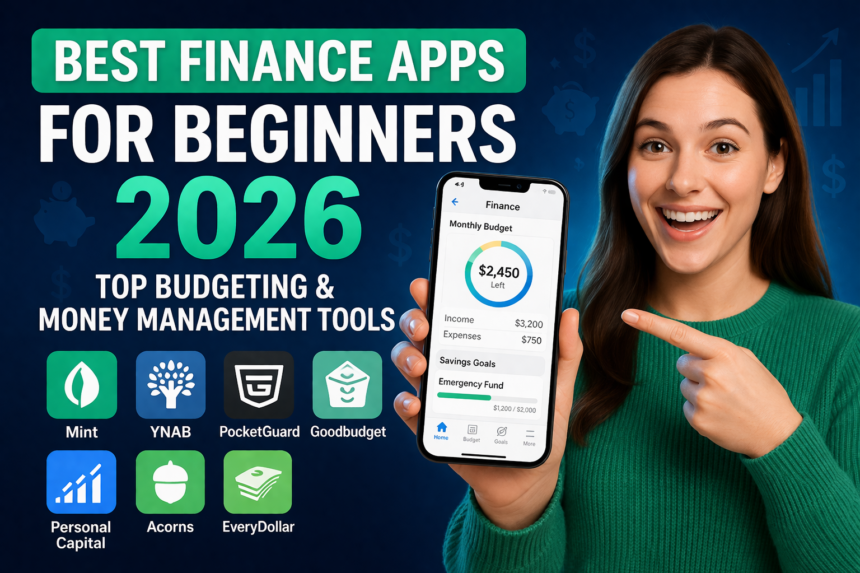
Managing money has never been easier thanks to modern technology. In 2026, the Best Finance Apps for Beginners are designed to simplify budgeting, saving, and investing—even if you have zero financial experience. Whether you want to track expenses, build savings, or start investing, the right app can guide you step by step.
In this guide, we’ll explore the Best Finance Apps for Beginners, their features, and how they can help you take control of your finances.
Why Beginners Need Finance Apps
If you’re new to personal finance, it can feel overwhelming. That’s where the Best Finance Apps for Beginners come in. These apps help you:
- Track your income and expenses automatically
- Create and stick to a budget
- Save money efficiently
- Start investing with small amounts
- Build better financial habits
Instead of using spreadsheets or manual tracking, these apps automate everything, making financial management simple and stress-free.
Key Features to Look For in Finance Apps
Before choosing from the Best Finance Apps for Beginners, make sure the app includes:
1. Easy-to-Use Interface
Beginners need simple dashboards with clear categories and visuals.
2. Budgeting Tools
Look for apps that help you create monthly budgets and track spending.
3. Expense Tracking
Automatic tracking saves time and reduces errors.
4. Savings Goals
Apps should allow you to set goals like emergency funds or travel savings.
5. Security
Make sure the app uses encryption and secure login features.
Best Finance Apps for Beginners in 2026
Here are some of the Best Finance Apps for Beginners that are trending in 2026:
1. Mint
Mint remains one of the most popular choices for beginners.
Key Features:
- Automatic expense tracking
- Budget creation tools
- Bill reminders
- Free credit score monitoring
Why It’s Great:
Mint is completely free and perfect for beginners who want a full overview of their finances in one place.
2. YNAB (You Need A Budget)
YNAB focuses on proactive budgeting.
Key Features:
- Zero-based budgeting system
- Real-time expense tracking
- Financial education resources
Why It’s Great:
It teaches you how to manage money properly, making it one of the Best Finance Apps for Beginners serious about budgeting.
3. PocketGuard
PocketGuard simplifies budgeting by showing how much money you can safely spend.
Key Features:
- “In My Pocket” feature
- Bill tracking
- Spending insights
Why It’s Great:
Perfect for beginners who struggle with overspending.
4. Goodbudget
Goodbudget uses the envelope budgeting method.
Key Features:
- Digital envelope system
- Budget sharing for families
- Expense tracking
Why It’s Great:
Ideal for users who prefer a traditional budgeting style in digital form.
5. Personal Capital
Personal Capital is great for tracking net worth and investments.
Key Features:
- Investment tracking
- Retirement planning tools
- Net worth dashboard
Why It’s Great:
Best for beginners who want to grow wealth and monitor investments.
6. Acorns
Acorns helps beginners start investing easily.
Key Features:
- Round-up investing
- Automated portfolios
- Educational content
Why It’s Great:
You can start investing with small amounts, making it one of the Best Finance Apps for Beginners in investing.
7. EveryDollar
EveryDollar is designed for simple budgeting.
Key Features:
- Easy budget creation
- Expense tracking
- Financial planning tools
Why It’s Great:
Very simple interface, perfect for beginners who want straightforward budgeting.
How to Choose the Best Finance App for You
Not all apps are the same. When selecting from the Best Finance Apps for Beginners, consider:
Your Financial Goals
- Want to save money? → Choose Mint or PocketGuard
- Want to budget strictly? → Try YNAB or EveryDollar
- Want to invest? → Go for Acorns or Personal Capital
Your Budget
Some apps are free, while others require subscriptions.
Your Experience Level
If you’re a complete beginner, choose apps with tutorials and simple interfaces.
Benefits of Using Finance Apps
Using the Best Finance Apps for Beginners offers many advantages:
1. Better Money Control
You can see exactly where your money goes.
2. Improved Saving Habits
Apps help you set and achieve financial goals.
3. Reduced Financial Stress
Clear insights reduce confusion and anxiety.
4. Smart Financial Decisions
Data-driven insights help you make better choices.
Common Mistakes to Avoid
Even with the Best Finance Apps for Beginners, mistakes can happen:
- Not updating your budget regularly
- Ignoring notifications and alerts
- Using too many apps at once
- Not setting clear financial goals
Stick to one or two apps and use them consistently.
Tips for Beginners to Get Started
If you’re just starting, follow these tips:
- Start with a simple app like Mint
- Track all your expenses for one month
- Set small savings goals
- Review your finances weekly
- Upgrade to advanced apps as you improve
Consistency is key when using the Best Finance Apps for Beginners.
Final Thoughts
In 2026, managing your finances is easier than ever with the Best Finance Apps for Beginners. Whether you want to budget, save, or invest, there’s an app designed just for you.
Start small, stay consistent, and choose an app that fits your needs. Over time, these tools will help you build strong financial habits and achieve your money goals.